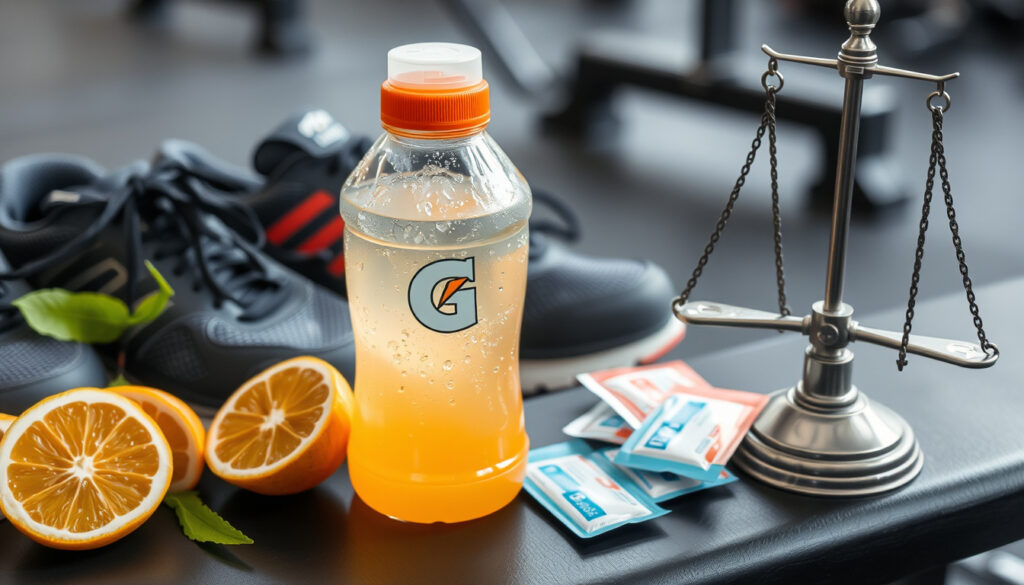
Is Gatorade Good for You? Benefits, Risks & When to Drink
Gatorade genuinely helps athletes who sweat through prolonged workouts, but delivers unnecessary sugar and sodium to anyone who doesn’t. The same electrolyte formula that prevents dehydration during a marathon creates health risks when consumed at a desk. That tension—useful tool versus everyday beverage—defines everything about how you should think about sports drinks.
Electrolytes provided: Yes, for rehydration · Sugar levels: High · Recommended use: Prolonged exercise · Daily consumption advised: No · Compared to water: Added calories and sugar
Quick snapshot
- Electrolytes aid hydration during exercise (Healthline)
- High sugar content present (Healthline)
- 36 grams sugar per 20oz serving (Healthline)
- Long-term daily effects remain understudied
- Optimal intake for non-athletes not established
- 2023 systematic review updates health risk data (PMC Systematic Review)
- Ongoing research into artificial sweeteners in low-calorie variants (PMC Systematic Review)
- Shifts in athlete sponsorship deals toward hydration alternatives
- Growing consumer demand for sugar-free options
| Fact | Details |
|---|---|
| Primary use | Sports rehydration |
| Key ingredients | Electrolytes, sugar |
| Daily advice | Not recommended |
| Vs soda | Similar sugar risks |
| Typical sugar per 12oz | 21 grams |
| Typical sodium per 8oz | 35–200 mg |
Is Gatorade good or bad for you? Benefits and risks
Gatorade sits in a strange middle ground: useful for some people in specific situations, potentially harmful for others who treat it as everyday hydration. Understanding when the benefits actually materialize requires looking past the marketing and into what the drink actually contains.
Benefits for hydration and energy
The science behind Gatorade is legitimate. The drink contains electrolytes like sodium and potassium that help maintain fluid balance, muscle function, and nerve signaling. Research from the Gatorade Sports Science Institute shows that fluid and carbohydrate ingestion improves performance during one hour of intense exercise. For athletes engaged in prolonged, vigorous physical activity exceeding one hour—especially in hot conditions—sports drinks like Gatorade may hydrate better than water alone, according to University of California, Berkeley researchers.
Carbohydrates in sports drinks serve a dual purpose: they provide quick energy and help the body absorb water faster. A 12-ounce serving delivers roughly 25 grams of carbs—about 6% concentration, which falls within the optimal range of 6–8% for exercise without gastrointestinal distress.
Athletes burning through an hour of intense training in the heat genuinely benefit from Gatorade’s electrolyte-carb combination. For everyone else reaching for it at a desk or in a classroom, those same ingredients represent unnecessary sugar and sodium.
Risks from high sugar
The same properties that make Gatorade useful for athletes become liabilities for less active people. A 20-ounce serving of Gatorade Thirst Quencher contains 36 grams of sugar—more than nine teaspoons. Excess sugar intake contributes to weight gain, blood sugar spikes, and increased risk of type 2 diabetes when consumed without corresponding physical activity.
The dental impact is particularly concerning. Sports drinks typically have a pH below 5.5, which is acidic enough to erode enamel. Combined with their 4.4% sugar content, they contribute to tooth decay in ways similar to soda. Berkeley researchers have linked frequent sports drink consumption in children to the child obesity epidemic.
Sports drinks comprise 26% of sugar-sweetened beverage intake in adolescents, according to Harvard Nutrition Source data. For a demographic that often isn’t burning through hour-long workouts in the heat, this represents significant unnecessary sugar exposure.
Sodium considerations
Gatorade and Powerade contain 35–200 mg of sodium per 8-ounce serving. For athletes who sweat heavily and lose electrolytes through prolonged exertion, this replenishment is beneficial. For sedentary individuals or those with hypertension concerns, extra sodium may increase blood pressure risk over time, according to some Healthline sources.
Is there any benefit to drinking Gatorade?
Yes—but the benefits are tightly scoped to specific scenarios. For the average person drinking Gatorade while sitting at a desk or commuting, the electrolytes provide minimal advantage over water, while the sugar and calories create real costs.
For athletes during prolonged exercise
The clearest benefit case exists for endurance athletes: marathon runners, cyclists, and anyone engaged in workouts exceeding one hour in warm conditions. A study published in PMC found that Gatorade Thirst Quencher increased plasma volume and osmolality more effectively than carb-based alternatives during rehydration.
The Gatorade Endurance Formula exists specifically for heavy sweaters and hot conditions, delivering higher electrolyte concentrations than the standard Thirst Quencher. For competitive athletes training intensely, these specialized formulations address legitimate physiological needs.
Electrolyte replenishment
When you sweat heavily, you lose sodium and potassium—electrolytes essential for muscle contraction and nerve function. During exercise lasting more than 60–90 minutes, replacing these losses becomes physiologically meaningful. Cleveland Clinic experts confirm that electrolytes in sports drinks aid rehydration after workout or illness.
The trade-off: for most people, normal dietary sodium intake is sufficient, and additional sodium from sports drinks creates unnecessary cardiovascular load.
Is it good to drink a Gatorade every day?
Health experts consistently advise against daily Gatorade consumption for non-athletes. The American Diabetes Association notes that sugar-free sports drinks using sucralose or aspartame have long-term safety questions related to insulin resistance and weight gain. For daily hydration needs, water remains the evidence-based recommendation.
Daily risks and side effects
Regular daily consumption of sports drinks contributes to excessive energy intake, poor dental health, and elevated sodium exposure. The Healthy Eating Research review documents these concerns, noting that sports drinks provide benefits only for prolonged vigorous activity while contributing excess calories and sodium when consumed casually.
Frequent sports drink use is associated with higher BMI and overweight/obesity, especially in boys, according to Harvard Nutrition Source research. The sugar content compounds over time: each 20-ounce bottle at 36 grams of sugar adds up quickly when consumed daily.
Alternatives for regular hydration
For most people meeting hydration needs, plain water is sufficient. Low-sugar electrolyte waters or diluted sports drinks represent middle-ground options for those concerned about electrolyte balance without the sugar load. Coconut water offers natural electrolytes with less processed ingredients, though with its own sugar considerations.
The pattern: unless you’re actively training for endurance events or exercising intensely for more than an hour, your body doesn’t need what Gatorade provides.
Is Gatorade more unhealthy than soda?
This comparison depends on context. By pure sugar content, a 12-ounce sports drink delivers 21 grams compared to 39 grams in cola—meaning Gatorade has roughly half the sugar of a soft drink. However, framing it as “healthier than soda” ignores that both carry health risks when overconsumed.
Sugar and calorie comparison
Four beverages, four different profiles: cola packs the most sugar but less sodium; regular Gatorade splits the difference with moderate sugar and more sodium; G2 eliminates sugar but retains sodium; and water provides neither.
| Beverage (12oz) | Sugar | Sodium |
|---|---|---|
| Regular Gatorade | 21g | 110mg |
| Cola | 39g | 45mg |
| G2 (low-calorie) | 0-5g | 160mg |
| Water | 0g | 0mg |
The “best” choice depends entirely on your activity level and health goals.
Electrolyte edge
Where Gatorade has a genuine advantage over soda is in specific athletic contexts. The electrolytes provide legitimate hydration benefits for endurance athletes that soda cannot match. For a marathon runner finishing a race in summer heat, Gatorade offers something cola fundamentally cannot: functional rehydration support.
The catch: that advantage is irrelevant for 95% of people who will never need that level of electrolyte replacement. Comparing Gatorade to soda for the average consumer asking “which is worse” misses the point—both are sugary beverages best consumed sparingly.
Is Gatorade good for you when sick?
During illness, especially with fever or gastrointestinal distress, maintaining hydration and electrolyte balance becomes important. Gatorade can play a supporting role here, but it’s not a primary treatment and ordinary water often suffices for mild cases.
For flu recovery
When fever causes sweating or diarrhea leads to fluid loss, replacing electrolytes helps maintain hydration. Sports drinks provide sodium, potassium, and carbohydrates that can support recovery. Cleveland Clinic experts note that electrolytes aid rehydration during illness recovery.
However, for mild illness with adequate appetite and normal fluid intake, the additional sugar in Gatorade isn’t necessary. Broths, water, and whole foods typically provide sufficient electrolytes without the processed sugars.
Vs plain water
For mild dehydration from illness, plain water and oral rehydration solutions are typically sufficient. Gatorade becomes relevant when illness involves significant electrolyte loss—such as extended fever, severe vomiting, or diarrhea lasting more than 24 hours.
The trade-off: Gatorade provides electrolytes but also sugar, which may not be ideal when appetite is reduced and the digestive system is compromised. Pediatric electrolyte solutions are often formulated specifically for children’s needs during illness.
Upsides
- Electrolytes support hydration during extended exercise
- Carbohydrates provide quick energy for endurance athletes
- Research-backed formulation for heat-related exertion
- Useful for illness recovery with significant fluid loss
Downsides
- 36 grams sugar per 20oz creates excess calorie intake
- High sugar contributes to weight gain and diabetes risk
- Acidic pH erodes tooth enamel
- Sodium may elevate blood pressure in sedentary individuals
- Unnecessary for casual hydration needs
Three expert perspectives illuminate different dimensions of the Gatorade question. A UC Berkeley report states that sports drinks might be better than water for children and athletes engaged in prolonged, vigorous physical activity for more than one hour, especially in hot conditions. Meanwhile, Berkeley researchers directly link sugar in sports drinks to the child obesity epidemic through increased caloric intake. The Gatorade manufacturer itself notes that carbs aren’t just for energy—they actually help the body absorb water faster.
Together, these sources reveal the core tension: Gatorade has legitimate uses backed by legitimate science, but marketing has expanded its reach far beyond those use cases into populations—children, office workers, casual exercisers—who don’t need its electrolyte benefits but do absorb its sugar costs.
“Gatorade was ‘born in the lab’ when researchers looked at why athletes were falling ill after strenuous exercise in the heat.”
“Sports drinks might be better than water for children and athletes who engage in prolonged, vigorous physical activity for more than one hour, especially in hot conditions.”
— University of California at Berkeley report, Research institution
Related reading: Is Gatorade good for you? · Is Gatorade bad for you?
pmc.ncbi.nlm.nih.gov, gatorade.com, gssiweb.org, diabetes.org, psu.edu, healthyeatingresearch.org
Gatorade effectively replaces electrolytes lost in intense workouts, though Gatorade benefits and risks highlight sugar-driven obesity and dental risks for casual consumers.
Frequently asked questions
Is Gatorade good for kids?
Generally not recommended as a daily beverage for children. Unless your child is engaged in prolonged, vigorous exercise exceeding one hour, water is the better choice. Sports drinks contribute to childhood obesity and tooth decay when consumed habitually, according to Harvard Nutrition Source research.
Is Gatorade good for you while pregnant?
During pregnancy, maintaining hydration is important, but plain water typically suffices. If experiencing significant dehydration from morning sickness or heat, electrolyte beverages may help—but consult your healthcare provider. The sugar content in regular Gatorade provides unnecessary calories during pregnancy.
Is Gatorade Zero good for you?
Gatorade Zero eliminates sugar but retains sodium and uses artificial sweeteners (acesulfame and sucralose in the G2 formula). Long-term safety research on these sweeteners remains ongoing. It may serve as a lower-calorie option during workouts, but the sodium content still makes it unnecessary for non-exercisers.
Is Gatorade good for your heart?
For sedentary individuals, the sodium content in Gatorade may increase blood pressure over time, which carries cardiovascular implications. For athletes regularly exercising intensely, the electrolyte benefits may support cardiovascular function during exertion. The answer depends entirely on your activity level.
Why do doctors tell you to drink Gatorade?
Doctors may recommend sports drinks during significant dehydration from illness (fever, vomiting, diarrhea) or after procedures requiring electrolyte replacement. The context matters—hospital settings where patients have genuinely lost fluids through illness or medical treatment represent legitimate use cases that differ from casual daily consumption.
What is the healthiest hydration drink?
Plain water meets the hydration needs of most people in most situations. For athletes during extended exertion, properly formulated sports drinks serve a legitimate purpose. Other options include coconut water (natural electrolytes, lower processing), diluted juice, or oral rehydration solutions for illness recovery. The “healthiest” choice depends on your specific needs.
Can you drink Gatorade while on Ozempic?
If you’re taking Ozempic (semaglutide) for diabetes or weight management, be aware that the medication already affects hydration and may cause nausea. Gatorade’s sugar content and sweetness may not align well with dietary goals during Ozempic treatment. Discuss beverage choices with your healthcare provider given your specific treatment plan.
Meer gerelateerde berichten
 Family Law Attorney Near Me: Costs & Free Advice in Ireland
 Indiana Jones and the Last Crusade: Cast, Filming & Trivia
 Latest Trump News Today: Iran Deal, Economy & Health Rumors
 V/H/S Franchise Guide: Scare Factor, Watching Order, and Worth
 Carolina Panthers vs Cleveland Browns Match Player Stats
 Gyu-Kaku Japanese BBQ: Menu, History, Locations & What to Order
 Zack de la Rocha: Biography, Net Worth, Why He Left Rage
 Aston Villa vs Arsenal: Results, Stats, Where to Watch